
Insights

Borg Insights provides concise commentary and expert perspectives on emerging developments, policy trends, and evolving debates across Africa and globally. These publications serve as a platform to share informed viewpoints, highlight early implications of policy and market shifts, and stimulate discussion among policymakers, practitioners, and the broader public.

As African countries assert greater control over their data, tensions are emerging with the U.S. preference for free data flows across borders. But these approaches need not be mutually exclusive. This article examines how African data sovereignty can coexist with U.S. privacy and digital trade priorities. It proposes a hybrid framework that protects sensitive data while enabling responsible cross-border data flows.

Every dry season, thousands of wildfires sweep across Nigeria’s forests, savannas, farmlands, grazing lands, and protected areas, causing significant but often underreported economic and environmental losses. Beyond their impact on livelihoods and ecosystems, wildfires pose growing public health and climate resilience risks. Drawing on transnational practices, this article examines key strategies Nigeria can adopt to strengthen wildfire preparedness, improve early warning and response, and build more resilient communities and ecosystems.

Climate adaptation in Nigeria has largely focused on engineered solutions such as drainage systems, dams, and coastal defences. While essential, these alone cannot address the full scale of climate risk. Nature-Based Solutions (NbS), which protect, restore, and sustainably manage ecosystems, offer a cost-effective and resilient complement. This article explores how investing in nature can strengthen Nigeria's climate resilience while advancing sustainable economic development.

Digital trade only works when goods can actually move. If delivery systems are slow, costly, or unreliable, online trade becomes harder to grow. The AfCFTA Digital Trade Protocol recognises this by paying attention not just to digital transactions, but also to the logistics and addressing systems behind them. In this piece, we look at what Nigeria’s current logistics framework and postcode system could mean for its digital trade readiness.

Nigeria’s healthcare system is losing its most valuable asset: its people. Medical professionals are leaving in growing numbers, drawn by better welfare and opportunities abroad. The government’s 2024 response, the National Policy on Health Workforce Migration, aims to manage rather than restrict this trend. In this piece, we highlight that while well-intentioned, its impact may be limited unless funding gaps, uneven state-level adoption, and the structural drivers of migration are addressed.

Digital trade relies on trust. Because parties rarely meet and transactions move quickly across platforms, borders, and payment channels, the ability to verify who you are dealing with is fundamental. Without it, cross-border trade becomes riskier, more costly to police, and harder to scale. The AfCFTA Digital Trade Protocol recognises this, requiring State Parties to adopt or maintain digital identity systems for both individuals and businesses. In this instalment, we assess whether Nigeria's current identity infrastructure is in line with what the Protocol envision
![African Trade Going Digital: Accessing Nigeria’s role and readiness. [Part 0]](https://static.ucraft.net/fs/ucraft/userFiles/borg/images/a-165-22-17713672593441.webp?v=1771367314)
Since the adoption of the AfCFTA Digital Trade Protocol and the approval of its ratification by Nigeria’s Federal Executive Council, significant work remains to align domestic realities with the obligations and opportunities created by the agreement. Nigeria must either develop new frameworks or strengthen existing ones to effectively implement the Protocol and fully harness its benefits. This series is designed to unpack the key features of the Protocol and critically assess Nigeria’s institutional, regulatory, and economic readiness to translate its commitments into practical and measurable outcomes.

Africa’s demographic shift isn’t just accelerating; it’s compressed. The population of people over 60 will nearly triple from 74 million to more than 225 million by 2050, the fastest rise globally. This piece highlights the erosion of traditional safety nets, the policy gaps this creates, and the practical steps needed to turn a looming crisis into a Longevity Dividend.

As world leaders gathered at the 80th United Nations General Assembly to deliberate on pressing global issues, this series of reflections explores the common themes that resonated through Africa’s collective voice. In this first instalment, we take a closer look at the shared challenge of conflict across continents, with a particular call for urgent attention to the ongoing crisis in Sudan.

The Tinubu-led administration has introduced comprehensive reforms to overhaul Nigeria's tax system. However, one major point of contention is the proposed revenue-sharing formula for Value Added Tax (VAT) collection, which has sparked significant debate. This article explores the concerns raised by stakeholders and advocates for a balanced compromise to address these issues.

A Foreign Policy Roadmap for the Bola Ahmed Tinubu Presidency: Key Strategies for Renewed Alliances.
Under the Tinubu administration, Nigeria’s foreign policy faces a mix of challenges and opportunities. From diplomatic reforms to regional stability, this article examines four actionable strategies to reposition Nigeria as a leader in Africa and a key player on the global stage.

As the Nigerian Value Added Tax turns thirty this year, this report reflects on its development, assesses the current legislative and policy framework for its administration, and makes policy projections for its optimal administration in Nigeria.
#234Vote
Through the 234Votes initiative, the team delivers data-driven insights and policy analysis aimed at strengthening electoral integrity, improving institutional performance, and supporting informed public discourse around elections and democratic development.

Nigeria has continued to record a low representation of women in politics despite the fact that women constitute almost half of the country’s total population. On #234Vote we look at some strictures that hinder women from participating in politics within Nigeria.
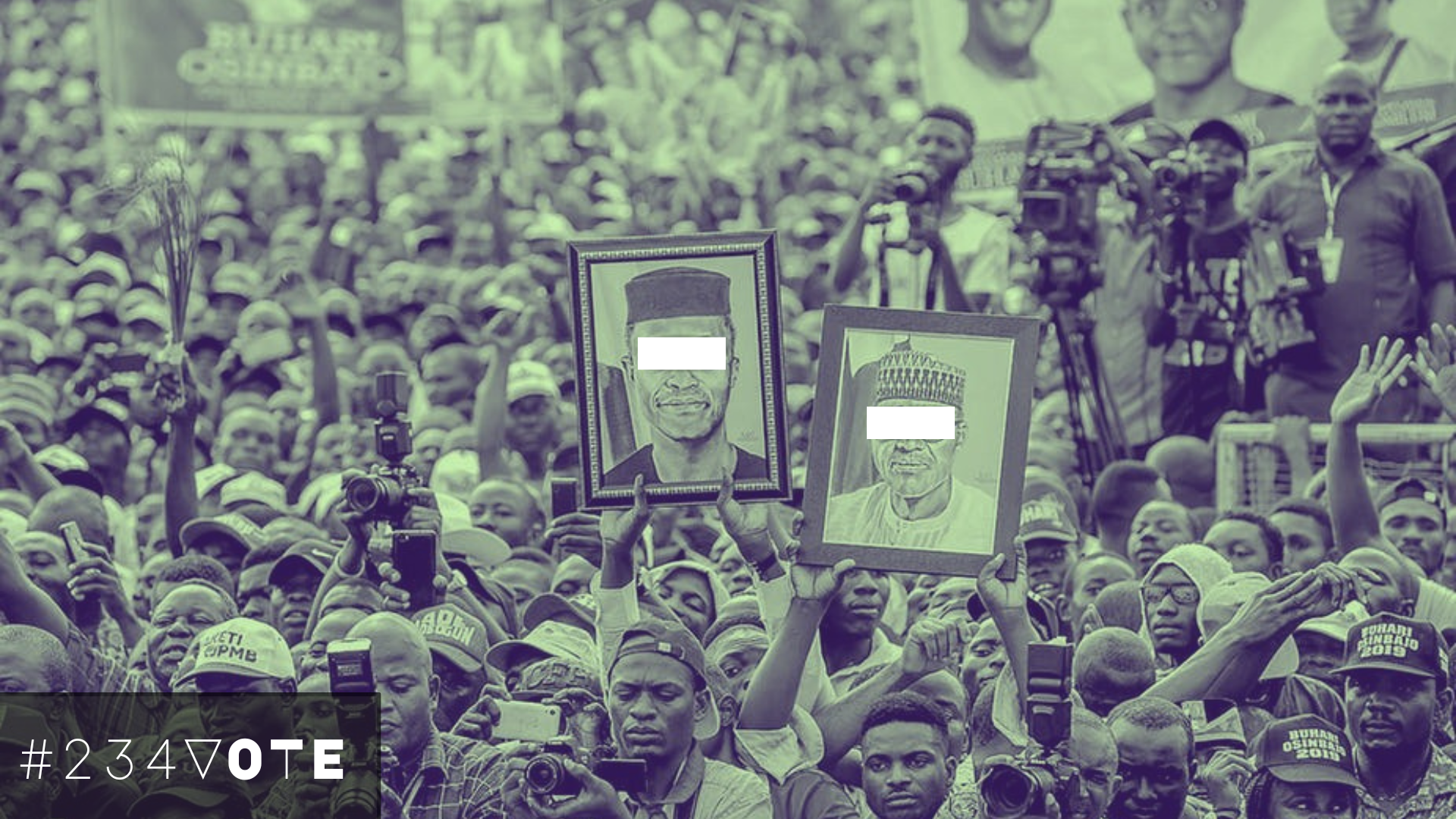
This analysis discusses the legal framework for regulating campaign finance in Nigeria including the limit on spending by political campaigns, the limit on spending by political parties on election expenses, the limit on contributions by individuals and entities and the limit on political contributions by corporations.